South African consumers were targeted in early March 2025 by an elaborate scam of a fake Hailey Bieber Rhode Skin pop-up shop at The Mall of Africa in Midrand. The unauthorized shop attracted many beauty fans before disappearing overnight, raising questions about consumer awareness and retailer alertness.
A Convincing Illusion
The pop-up store was designed with such attention to detail that it replicated an actual Rhode Skin shopping experience, thereby deceiving eager beauty lovers into believing that the highly sought-after brand had finally launched in South Africa. Excited consumers flooded social media with videos, including a viral video by TikTok user @noya.noy, which captured the store’s essence and garnered more than 1.5 million views.
Skepticism started to emerge as keen consumers noticed spelling mistakes on the product labels, along with the fact that there was no official statement from the Rhode Skin brand about a South African launch.
Unravelling the Scam
Vigilant consumers took it upon themselves, making internet inquiries to verify the legitimacy of the store. A few TikTok users personally contacted Rhode Skin, only to confirm that the brand was not affiliated with the Mall of Africa pop-up.
Soon afterward, the fake store suddenly closed, taking down all signage overnight. This prevented angry customers from being able to return items, fuelling their disappointment and outrage.
How to Safeguard Yourself from Such Scams
To prevent becoming a victim of retail fraud, take the following precautions:
1. Conduct Proper Research Prior to Purchasing
Examine local reviews on sites such as Google, Trustpilot, or other reputable review sites.
Check whether the brand has any official presence in the country. There are brands that don’t distribute their products in particular territories, rendering any unofficial presence a cause for alarm.
Google “[Brand Name] + scam” to find out if other people have reported scams.
2. Verify the Store or Website Authenticity
Visit the company’s official website to look for authorized vendors in your area.
Be wary of phony sites that have the following characteristics:
Misspelled URLs (e.g., “ZaraDiscounts.com” instead of “Zara.com”).
No HTTPS (secure padlock icon) in the browser.
Poor-quality photos or unprofessional website designs.
Remaining alert and well-informed can aid in avoiding the trap of similar scams. Always take the time to verify before making a purchase, ensuring authenticity and protecting your hard-earned money.
Brother-and-sister duo unite generations, genders and genres through a unique back-to-back DJ experience. Johannesburg, South Africa – 17 June 2026 What happens when family,
Hyde Park Corner marks Mother’s Day on Sunday, 10 May 2026 with two distinct restaurant experiences – a family-style Japanese feast at KōL Izakhaya and
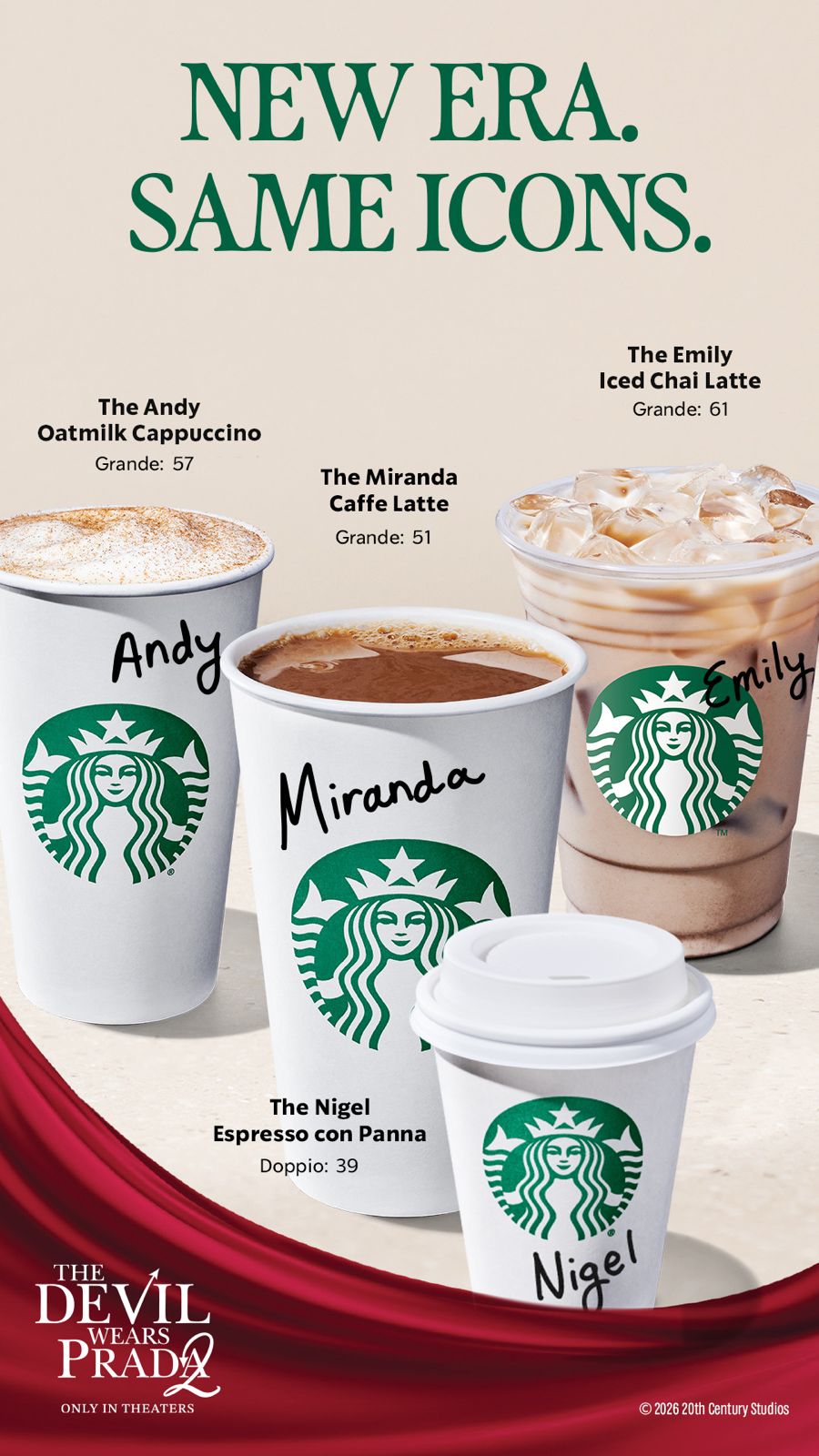
Starbucks today announced a global collaboration with 20th Century Studios’ “The Devil Wears Prada 2,” which hits theaters 1 May 2026. The campaign introduces a